

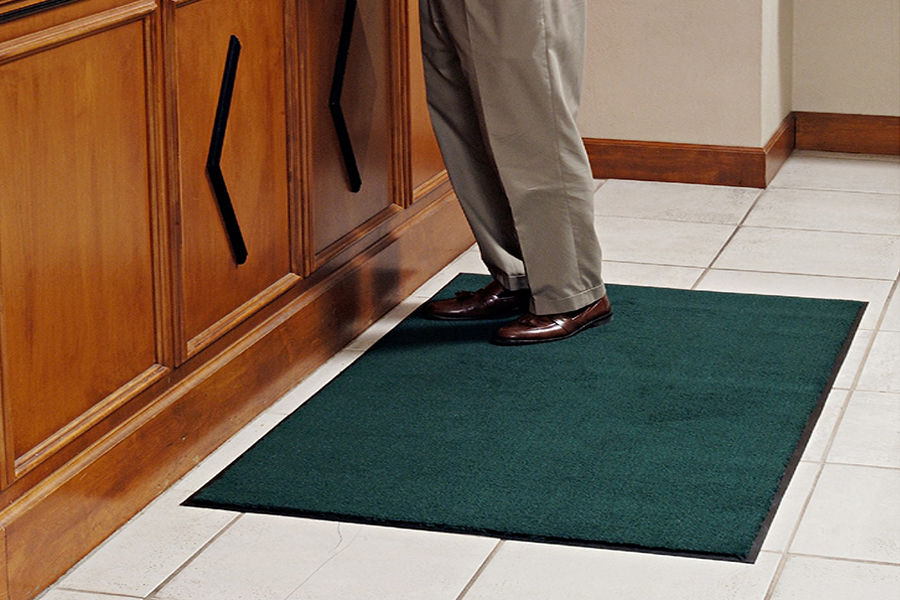
Anti-slip carpet has become an essential element in modern interior design and home safety, offering both comfort and protection in residential and commercial environments 防滑地毯. As people place greater emphasis on safety within living spaces, especially in homes with children, elderly individuals, or high foot traffic areas, the demand for flooring solutions that reduce the risk of slipping has increased significantly. Anti-slip carpet is designed specifically to provide stability underfoot while maintaining aesthetic appeal and comfort.
The primary purpose of an anti-slip carpet is to prevent accidental slips and falls by increasing friction between the carpet and the floor surface. Traditional carpets may shift or slide, especially on smooth flooring materials such as tiles, marble, or polished wood. This movement can create hazardous conditions, particularly in areas like hallways, staircases, and bathrooms. Anti-slip carpet addresses this issue by incorporating specialized backing materials that grip the floor securely, ensuring the carpet remains in place even with frequent use.
One of the most important benefits of anti-slip carpet is enhanced safety. In households where elderly individuals or young children are present, the risk of falls is a major concern. A simple slip can lead to serious injuries, making preventive measures essential. Anti-slip carpet provides an added layer of protection, reducing the likelihood of such accidents. This makes it a practical choice for families who prioritize safety in their home environment.
Comfort is another significant advantage of anti-slip carpet. Beyond its safety features, it also offers a soft and cushioned surface that enhances the overall feel of a room. Walking on carpet is generally more comfortable than walking on hard flooring, as it reduces pressure on the feet and joints. Anti-slip carpet combines this comfort with stability, making it suitable for bedrooms, living rooms, and office spaces where people spend extended periods standing or walking.
In addition to safety and comfort, anti-slip carpet contributes to noise reduction within indoor environments. Carpeted surfaces naturally absorb sound, reducing echoes and footsteps. This is particularly beneficial in multi-story buildings, apartments, and office spaces where noise control is important. The anti-slip feature ensures that the carpet remains firmly in place while continuing to provide acoustic benefits.
Another advantage of anti-slip carpet is its versatility in design. It is available in a wide range of colors, patterns, textures, and materials, allowing homeowners and designers to match it with various interior styles. Whether the goal is a modern minimalist look or a more traditional aesthetic, anti-slip carpet can complement the overall design of a space without compromising safety or functionality.
Durability is also a key factor when considering anti-slip carpet. High-quality versions are designed to withstand regular foot traffic without losing their grip or structure. The backing materials used in these carpets are engineered to maintain their effectiveness over time, ensuring long-term performance. This makes them a cost-effective investment for both residential and commercial properties.
Maintenance of anti-slip carpet is relatively simple compared to other flooring solutions. Regular vacuuming helps remove dust and debris, while occasional deep cleaning can maintain its appearance and hygiene. The anti-slip backing does not require special treatment, but it is important to ensure that the floor beneath the carpet is clean and dry for optimal performance. Proper care extends the lifespan of the carpet and preserves its safety features.
Anti-slip carpet is particularly useful in specific areas of the home where slipping hazards are more common. Staircases are one of the most critical locations, as they involve elevation changes and increased risk of falls. Installing anti-slip carpet on stairs provides secure footing and reduces the chance of accidents. Similarly, entryways and hallways benefit from its stability, as these areas often experience high traffic and potential moisture exposure.
In commercial settings, anti-slip carpet plays an equally important role. Offices, hotels, hospitals, and retail spaces all benefit from flooring solutions that prioritize safety. In such environments, large numbers of people move through spaces daily, increasing the likelihood of slips and falls. Anti-slip carpet helps create a safer environment for both employees and visitors, reducing liability risks and improving overall comfort.
The materials used in anti-slip carpet vary depending on the design and intended use. Common backing materials include rubber, latex, and specialized synthetic compounds that enhance grip. These materials are selected for their ability to adhere to different floor surfaces without causing damage. The combination of soft upper layers and strong backing ensures both comfort and functionality.
Environmental considerations have also influenced the development of anti-slip carpet. Many manufacturers now focus on producing eco-friendly options made from recyclable or sustainable materials. This allows consumers to choose products that not only enhance safety but also align with environmentally conscious values. Sustainable production methods contribute to reducing waste and minimizing environmental impact.
Installation of anti-slip carpet is generally straightforward. In many cases, it can be placed directly on existing flooring without the need for adhesives or complex procedures. Some versions come with pre-installed non-slip backing, while others may require additional underlay materials for improved grip. This flexibility makes it easy for homeowners and businesses to upgrade their flooring without major renovations.
Another important aspect of anti-slip carpet is its role in improving overall home organization and design cohesion. By selecting appropriate styles and colors, it can enhance the visual harmony of a space while serving a functional purpose. Designers often use anti-slip carpet to define specific areas within a room, such as seating zones or walkways, creating a structured and visually appealing layout.
Despite its many advantages, it is important to select high-quality anti-slip carpet to ensure maximum effectiveness. Lower-quality options may lose their grip over time or fail to provide adequate stability. Evaluating product specifications, material quality, and manufacturer reputation can help ensure that the chosen carpet meets safety and durability standards.
In conclusion, anti-slip carpet is a practical and valuable addition to any living or working space. It combines safety, comfort, durability, and aesthetic flexibility into a single flooring solution. By reducing the risk of slips and falls while enhancing the overall atmosphere of a room, it serves as an essential component of modern interior design. Whether used in homes, offices, or public spaces, anti-slip carpet provides long-term benefits that contribute to a safer and more comfortable environment.