

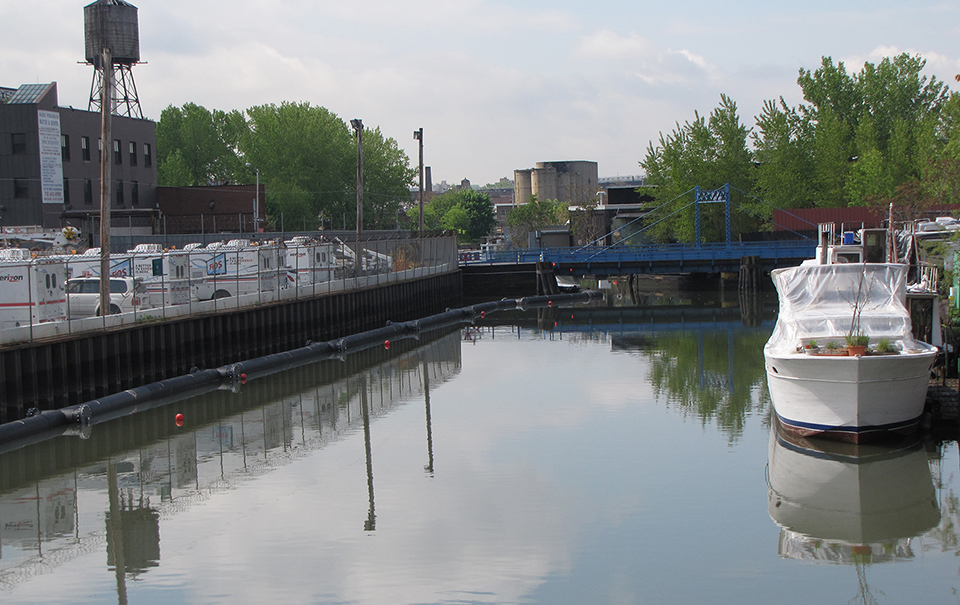
Introduction to the canal reveals a fascinating journey into one of humanity’s most impactful engineering achievements. Canals have served as vital arteries for transportation, agriculture, trade, and urban development for centuries 通渠. These artificial waterways, carefully constructed to connect natural bodies of water or redirect flow, have shaped civilizations and influenced economic growth across continents. From ancient irrigation systems to modern shipping routes, canals continue to play a significant role in supporting human life and industry.
The origins of canals can be traced back to ancient civilizations that understood the importance of water management. Early societies in regions with unpredictable rainfall or seasonal flooding relied on canals to distribute water to farmland. These irrigation canals allowed crops to thrive even in challenging environments, laying the foundation for stable food production and population growth. Over time, the concept evolved beyond agriculture, leading to the construction of canals for transportation and trade.
One of the defining features in any introduction to the canal is its role in connecting regions. Canals have historically enabled goods to move efficiently between cities, reducing reliance on overland routes that were often slow and costly. By linking rivers, lakes, and seas, canals created continuous waterways that facilitated commerce and cultural exchange. This connectivity contributed to the rise of trade networks and helped establish cities as economic hubs.
Engineering a canal requires careful planning and precision. Factors such as terrain, water flow, and environmental impact must be considered to ensure the canal functions effectively. In some cases, locks are installed to manage differences in elevation, allowing vessels to move between higher and lower water levels. These mechanisms demonstrate the ingenuity involved in canal construction and highlight the balance between natural forces and human design.
Canals have also played a transformative role in urban development. Cities built around canals often experience increased economic activity and improved infrastructure. The presence of a canal can attract businesses, support tourism, and enhance property value. In many parts of the world, canals are integrated into city planning as both functional and aesthetic features, contributing to a unique urban identity.
In agriculture, canals remain essential for irrigation. Farmers depend on these waterways to deliver water directly to their fields, ensuring consistent crop growth. This is particularly important in arid regions where natural rainfall is insufficient. Canals help regulate water distribution, prevent drought-related losses, and support sustainable farming practices. As global demand for food continues to rise, the importance of canal-based irrigation systems cannot be overstated.
Environmental considerations are increasingly important in modern canal projects. While canals offer numerous benefits, they can also impact ecosystems if not carefully managed. Altering natural water flow may affect wildlife habitats and water quality. As a result, engineers and planners now prioritize environmentally responsible designs that minimize disruption and promote ecological balance. Sustainable canal management includes measures such as maintaining natural vegetation, monitoring water levels, and protecting aquatic life.
Tourism is another area where canals have made a significant impact. Many historic canals have become popular attractions, drawing visitors who are interested in their cultural and architectural significance. Boat tours, waterfront cafes, and scenic walkways create vibrant environments that blend history with modern leisure. Canals often serve as a reminder of a region’s heritage while providing opportunities for recreation and relaxation.
Technological advancements have further enhanced the functionality of canals. Modern systems incorporate automated controls, advanced materials, and real-time monitoring to improve efficiency and safety. These innovations allow canals to handle larger volumes of water and accommodate bigger vessels, meeting the demands of contemporary trade and transportation. As technology continues to evolve, canals are becoming smarter and more adaptable.
An introduction to the canal would be incomplete without acknowledging their role in global trade. Major canals serve as critical shortcuts that reduce travel distance and time for ships transporting goods across continents. By bypassing longer routes, these canals lower transportation costs and increase efficiency in international shipping. This has a direct impact on global economies, influencing the price and availability of goods worldwide.
Despite their many advantages, canals also face challenges such as maintenance, sediment buildup, and changing climate conditions. Regular upkeep is necessary to ensure that canals remain navigable and effective. Climate change can alter water availability and increase the risk of extreme weather events, which may affect canal operations. Addressing these challenges requires ongoing investment, research, and collaboration among stakeholders.
Culturally, canals hold a special place in many societies. They are often associated with historical achievements, local traditions, and community life. Festivals, markets, and daily activities frequently take place along canal banks, making them vibrant centers of social interaction. This cultural significance adds another layer of value to canals beyond their practical uses.
In conclusion, an introduction to the canal highlights its enduring importance as a tool for development, connection, and sustainability. From ancient irrigation systems to modern trade routes, canals have continuously adapted to meet the needs of society. Their ability to support agriculture, facilitate commerce, and enhance urban life makes them indispensable in both historical and contemporary contexts. As the world continues to evolve, canals will remain a symbol of human ingenuity and a cornerstone of progress.