

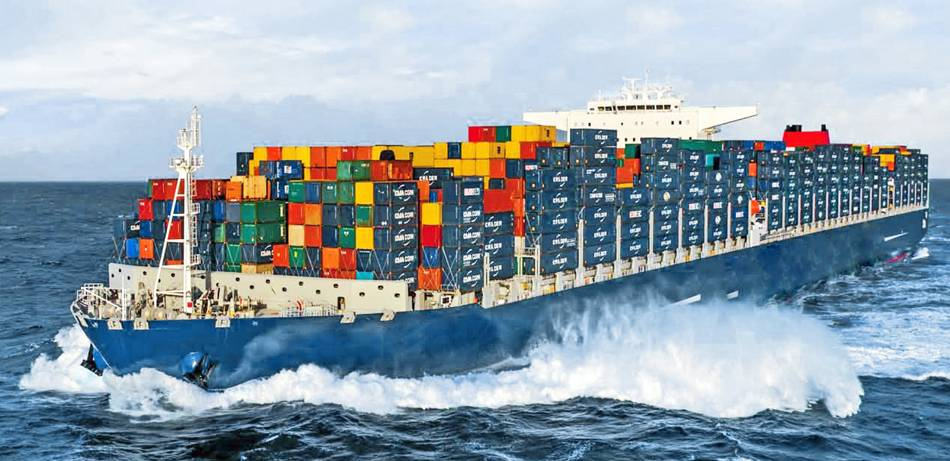
A container shipping company plays a vital role in the modern global economy, providing the infrastructure and services necessary to transport goods efficiently across international waters. These companies are central to global trade, enabling manufacturers, retailers, and distributors to move large quantities of products in standardized containers 集運公司. The rise of containerization has revolutionized the shipping industry, improving speed, security, and cost-effectiveness while connecting markets around the world. Understanding how a container shipping company operates, the services it offers, and its impact on global commerce is essential for businesses and individuals involved in international trade.
Container shipping companies specialize in transporting cargo using standardized containers, which come in various sizes and types depending on the nature of the goods. These containers ensure that products are protected from damage, theft, and environmental exposure during transit. The use of standardized containers also streamlines loading and unloading processes, allowing ships, trucks, and trains to handle cargo more efficiently. This standardization has been a major factor in reducing shipping costs and improving the reliability of supply chains worldwide.
The logistics managed by a container shipping company are highly complex and require meticulous planning. From coordinating vessel schedules to managing port operations and customs documentation, these companies handle a multitude of tasks to ensure that cargo moves smoothly from origin to destination. Advanced tracking systems and logistics software enable shipping companies to monitor the location and condition of containers in real time, providing clients with transparency and confidence in the delivery process.
One of the main advantages of using a container shipping company is the ability to transport large volumes of goods economically. Containers can carry a wide variety of products, from electronics and machinery to food items and textiles. By consolidating shipments in containers, companies reduce handling costs and minimize the risk of damage. This efficiency benefits businesses of all sizes, from small exporters to multinational corporations, by lowering operational expenses and improving delivery timelines.
Container shipping companies also offer a range of specialized services to meet diverse client needs. Refrigerated containers, or “reefers, ” are used for perishable goods, ensuring that food, pharmaceuticals, and other temperature-sensitive products remain fresh during transit. Hazardous material containers comply with strict safety regulations to transport chemicals and other dangerous items securely. Additionally, oversized or heavy cargo can be accommodated with specially designed containers and handling equipment, allowing companies to transport almost any type of product globally.
The environmental impact of container shipping companies is an important consideration in today’s logistics industry. As global trade increases, shipping companies are under pressure to adopt sustainable practices, such as improving fuel efficiency, reducing greenhouse gas emissions, and implementing cleaner technologies. Many container shipping companies invest in modern vessels equipped with energy-efficient engines and employ strategies to minimize environmental footprints. Sustainability initiatives not only benefit the environment but also enhance the company’s reputation and compliance with international regulations.
Global trade regulations and customs procedures are integral to the operations of a container shipping company. Shipping goods internationally requires adherence to complex legal frameworks, including import-export regulations, tariffs, and documentation requirements. Experienced shipping companies help clients navigate these regulations, ensuring that shipments comply with local and international laws. By handling customs clearance and documentation, these companies reduce the risk of delays, fines, or penalties, making international trade more efficient and reliable.
Technological advancements have transformed the container shipping industry. Modern container shipping companies utilize sophisticated software for fleet management, route optimization, cargo tracking, and customer communication. Automation in port operations, such as automated cranes and container handling systems, has increased speed and accuracy while reducing labor costs. These technological innovations contribute to more efficient and reliable shipping services, allowing companies to meet the growing demands of global commerce.
A container shipping company also plays a critical role in supply chain management. Businesses rely on these companies to coordinate the timely movement of raw materials, components, and finished products across multiple regions. Delays in shipping can disrupt production schedules and lead to financial losses, making reliable container shipping services essential. By providing consistent and predictable transportation solutions, shipping companies help businesses maintain smooth operations and meet customer demands.
Insurance and risk management are other important aspects of working with a container shipping company. Cargo transported across oceans is exposed to risks such as storms, accidents, theft, or mechanical failures. Shipping companies often offer insurance options to protect clients against potential losses. Additionally, adherence to international safety standards and proper handling procedures mitigates risks, giving clients peace of mind that their goods will arrive safely and intact.
The economic impact of container shipping companies is substantial. Efficient shipping networks enable international trade, creating jobs, supporting industries, and promoting economic growth in multiple countries. Ports, logistics providers, customs agencies, and transportation companies all benefit from the activity generated by container shipping. In turn, consumers gain access to a wider variety of products at competitive prices, reflecting the global reach and influence of these companies.
Container shipping companies are also adapting to changing market demands and trends. E-commerce growth has increased the volume of smaller, frequent shipments, requiring flexible logistics solutions. Many shipping companies have developed tailored services for online retailers, including fast delivery options, direct-to-consumer shipping, and integrated tracking solutions. By responding to market shifts, container shipping companies maintain relevance and continue to meet evolving customer expectations.
The future of container shipping companies is likely to be shaped by continued technological innovation, environmental responsibility, and global trade dynamics. Emerging technologies such as autonomous vessels, blockchain for supply chain transparency, and AI-powered route optimization are expected to further improve efficiency and reliability. Sustainable shipping practices will become increasingly important as regulations tighten and environmental awareness grows. Container shipping companies that embrace innovation and sustainability are likely to maintain a competitive advantage in the global logistics market.
In conclusion, a container shipping company serves as a cornerstone of international trade and logistics. By providing efficient, reliable, and secure transportation of goods, these companies enable businesses to connect with markets worldwide. Through specialized services, advanced technology, and adherence to safety and environmental standards, container shipping companies support global commerce while meeting the diverse needs of clients. Their role in supply chain management, economic development, and the movement of goods underscores the essential nature of container shipping in today’s interconnected world. As trade continues to expand, the importance of these companies will only grow, shaping the future of global logistics and commerce.