

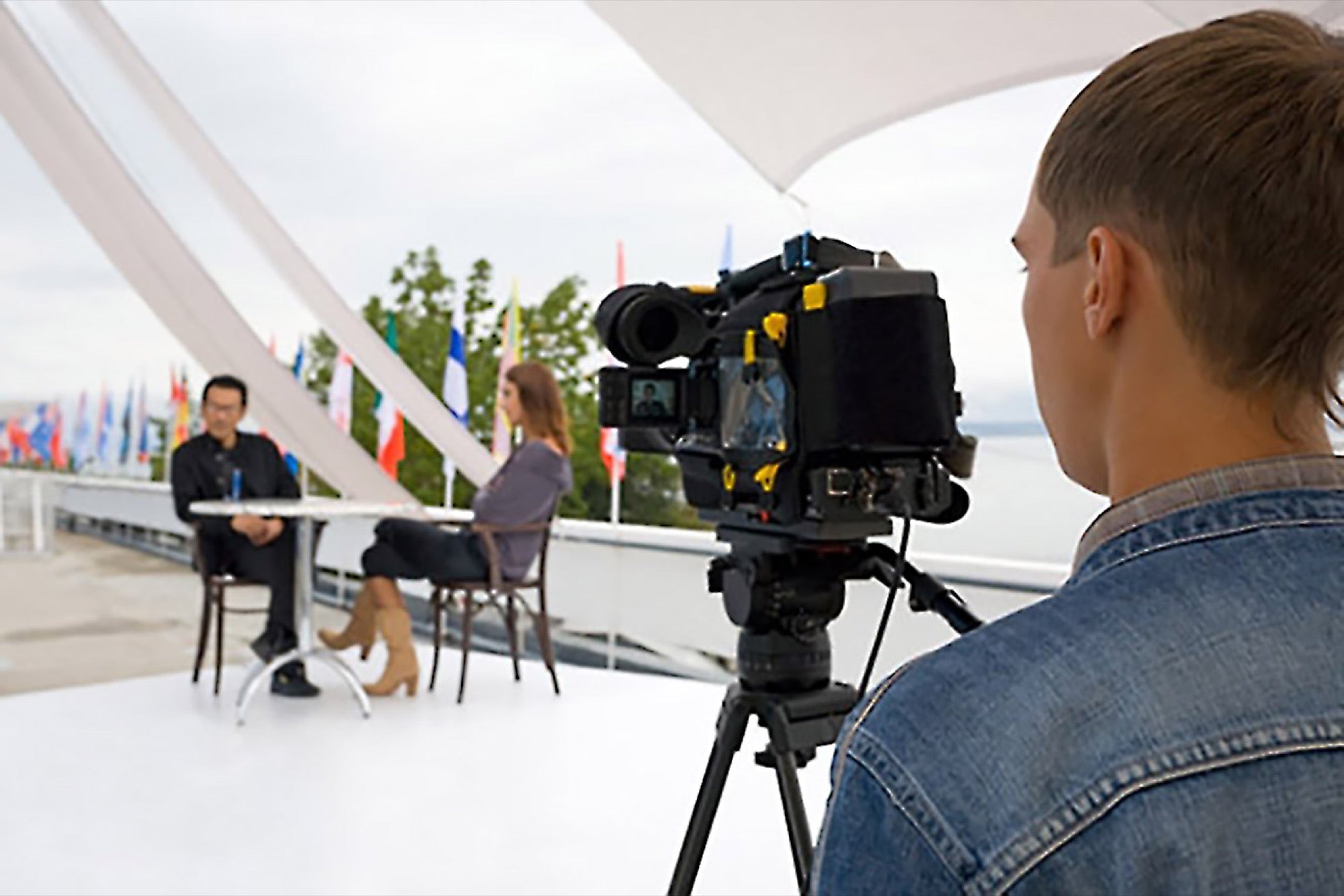
A video shoot is an essential part of modern media production, playing a significant role in advertising, storytelling, entertainment, education, and digital marketing. As visual content becomes more influential across online platforms and traditional media, the demand for high-quality video production continues to grow. A well-planned video shoot combines creativity, technical skill, and strategic planning to produce engaging visuals that communicate a message effectively 影片製作公司. Whether used for commercial advertising, social media content, documentaries, or corporate communication, a successful video shoot can capture attention and leave a lasting impression on audiences.
The planning phase is one of the most important aspects of a video shoot. Before the camera even starts recording, producers and directors spend time developing the concept and defining the purpose of the video. This stage includes scriptwriting, storyboarding, location selection, and scheduling. A clear vision ensures that everyone involved in the project understands the direction and goals of the shoot. Careful preparation helps avoid confusion during filming and allows the creative team to focus on capturing high-quality footage.
Selecting the right location is a key element in any video shoot. The environment where filming takes place can significantly influence the overall mood and visual appeal of the video. Some productions take place in professional studios where lighting and sound can be carefully controlled. Others may occur outdoors or in real-world locations to create a more natural and authentic setting. The choice of location depends on the story being told, the style of the production, and the technical requirements of the shoot.
Lighting is another critical factor that determines the quality of a video shoot. Proper lighting enhances the visual clarity of the footage, highlights important subjects, and creates the desired atmosphere. Cinematographers often use a combination of natural light and artificial lighting equipment to achieve the right balance. Soft lighting may be used to create a warm and welcoming feel, while dramatic lighting techniques can add depth and emotion to a scene. Skilled lighting design transforms ordinary footage into visually compelling content.
Sound quality is equally important during a video shoot. Clear audio ensures that dialogue, narration, and background sounds are captured effectively. Microphones, boom poles, and audio recorders are commonly used to record high-quality sound during filming. Without proper audio equipment, even visually stunning footage may lose its impact because viewers struggle to hear or understand the message being delivered. Professional productions always prioritize sound recording as much as visual quality.
Camera equipment plays a central role in a video shoot. Different types of cameras and lenses are selected depending on the style and purpose of the project. High-definition cameras, cinematic lenses, and stabilization tools such as tripods or gimbals help produce smooth and professional footage. Camera angles and movement are carefully planned to guide the viewer’s attention and enhance storytelling. Techniques like close-ups, wide shots, and tracking shots help create visual variety and maintain audience engagement.
The role of the director is crucial during a video shoot. The director guides the creative vision of the project and coordinates the efforts of the entire production team. They work closely with camera operators, lighting technicians, actors, and other crew members to ensure that each scene aligns with the intended narrative. By providing direction and feedback during filming, the director helps bring the script to life and ensures that every element of the production contributes to the overall message.
Actors and presenters are often the focal point of a video shoot. Their performance can significantly influence how audiences connect with the content. Professional actors understand how to deliver dialogue naturally, express emotions convincingly, and adapt to different filming conditions. In corporate or promotional videos, presenters or brand representatives communicate key messages while maintaining a confident and engaging presence on camera. Strong performances help build credibility and emotional connection with viewers.
Team collaboration is a defining characteristic of a successful video shoot. Behind every finished video is a group of professionals working together to achieve a shared goal. Camera operators, lighting technicians, sound engineers, makeup artists, set designers, and production assistants all contribute their expertise to the project. Effective communication and coordination ensure that filming proceeds smoothly and efficiently, minimizing delays and technical issues.
Once filming is complete, the video shoot moves into the post-production stage. This phase includes editing, color correction, sound mixing, and the addition of graphics or special effects. Editors review the raw footage captured during the shoot and select the best clips to assemble into a coherent and engaging narrative. Post-production enhances the visual and audio quality of the video, ensuring that the final product meets professional standards.
The rise of digital platforms has significantly increased the importance of video shoots in modern communication. Businesses use video content for marketing campaigns, product demonstrations, training materials, and social media engagement. Influencers and content creators also rely on video shoots to build their online presence and connect with audiences. High-quality video content helps brands stand out in a crowded digital landscape, capturing attention and delivering messages more effectively than text or images alone.
Technological advancements have also transformed the video shoot process. Modern cameras, drones, and editing software allow creators to produce visually stunning content with greater efficiency and flexibility. Drone footage, for example, provides unique aerial perspectives that were once difficult and expensive to achieve. Similarly, portable lighting and compact cameras make it possible to film professional-quality videos in a variety of environments.
Creativity remains the heart of every video shoot. While technology provides the tools, it is the creative vision that determines how those tools are used to tell a compelling story. Directors and production teams experiment with visual styles, narrative structures, and artistic techniques to create content that resonates with audiences. Innovative storytelling and imaginative visuals transform ordinary footage into memorable experiences.
In conclusion, a video shoot is far more than simply recording footage with a camera. It is a carefully coordinated process that combines planning, technical expertise, creative vision, and teamwork. From pre-production preparation to the final stages of editing, every step contributes to the creation of engaging and impactful visual content. As video continues to dominate modern communication and entertainment, the importance of professional video shoots will only continue to grow. By investing time and effort into each stage of production, creators can produce videos that inform, inspire, and captivate audiences across the world.